
Nevertheless, some people are likely to suffer after-effects, such as depression and cravings, that may last from weeks to months. Long-term recovery involves managing withdrawal and treating the root cause, along with counseling in support groups and making life adjustments. Look for proper guidance so that you develop a full-scale treatment plan capable of providing lasting recovery.
Other Causes of Night Sweats
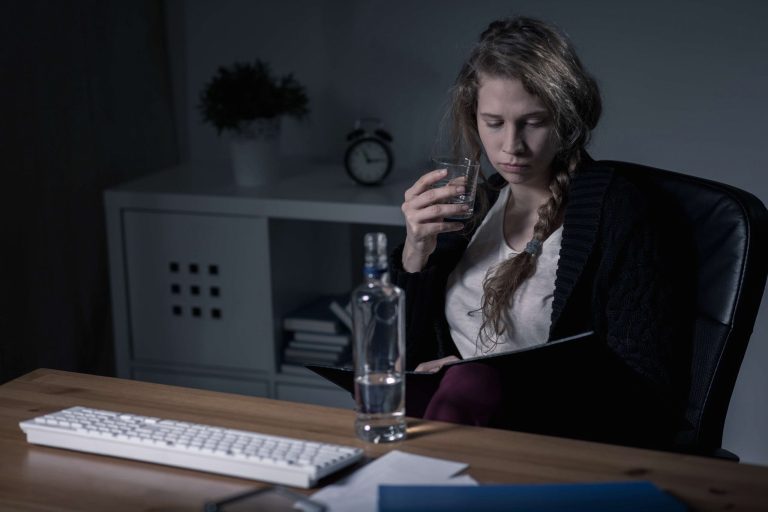
For most of us the chances of developing hypothermia are slim as long as we drink sensibly and avoid alcohol-induced bad decisions like going out in freezing weather. Whether it’s for social get-togethers, seasonal events or house parties, there’s usually some form of alcohol involved. While relaxing with a drink can be fun, it’s important to keep track of our intake. However, as long as we’re sensible and aware of our units, our chances of developing health issues are low.

Alcohol consumption can also affect hormone levels in your body, particularly adrenaline. Adrenaline is a hormone that plays a role in regulating your body’s response to stress. Experiencing excessive sweating after consuming alcohol is a common phenomenon. This reaction, sometimes referred to as alcohol-induced sweating, occurs due to several physiological changes within the body.
When the core temperature rises, the blood vessels enlarge to allow more blood flow to the surface of the body, thus releasing heat. This also triggers the sweat glands to produce sweat which further decreases body temperature. Another fascinating aspect to consider is the role of the antidiuretic hormone (ADH) when drinking alcohol. Under normal circumstances, ADH helps your kidneys manage the amount of water in your body, but alcohol inhibits this hormone’s function.
The Immediate Effects of Alcohol on Body Odor
Because an alcohol intolerance can cause skin flushing, people may experience this effect as hot flashes or night sweats. Alcohol withdrawal can cause excessive sweating because the body’s autonomic nervous system becomes dysregulated. Withdrawal from alcohol can also cause a fever, which can contribute to perspiration. The task of conquering alcohol withdrawal is very complex; it needs strong willpower, persistence, and an overall healthy lifestyle.

Why Do I Sweat After Alcohol? What Are Alcohol Night Sweats
This is due to the fact that alcohol is metabolized in the body and the byproduct is sweat. When sweat mixes with bacteria on the skin, it can produce an unpleasant odor. Additionally, alcohol can stimulate the body’s nervous system and increase sweat production, which can also lead to an increase in body odor. Since alcohol disrupts your body’s temperature regulation, it can also cause further sweating as the night goes on. While many people naturally experience a body temperature drop overnight as they sleep, studies show alcohol might actually block this natural cycle when one is intoxicated. This can contribute to alcohol-related insomnia, and be especially bothersome for women during menopause.
- If night sweats persist or are accompanied by other symptoms, it’s important to seek professional medical advice to address potential underlying health issues.
- Recovery Guide LLC does not endorse any treatment provider, and we do not guarantee the quality of care, outcomes, or results from any treatment program listed or advertised on our site.
- Such home remedies may include staying hydrated and keeping the bedroom at a comfortable temperature.
- People who drink heavily or have an alcohol addiction often experience similar symptoms, including sweating and night sweats.
- This metabolic activity increases the body’s core temperature, signaling the need to cool down through sweating.
- At Porch Light Health, we offer evidence-based treatment options including naltrexone therapy.
- If you or someone you love is experiencing these symptoms, you should seek medical attention immediately.
- Heavy, long-term alcohol use leads to physical and psychological dependence.
- Alcohol can contribute to sweating due to its effects on the circulatory and central nervous systems.
When one consumes alcohol at a faster rate than this, accumulation of the substance takes place in the blood, leading to side effects such as sweating. We’re all familiar with that painful dehydration, pounding headache, and unpleasant nausea that results after a night of consuming alcohol. But those aren’t the only effects of too much booze — there are a number of other weird things that can happen to your body after a night of drinking. The classic symptoms of a hangover are the most obvious, but there some other effects of drinking that can happen all throughout your body, even if you aren’t fully aware of them.
- Have you ever met a new person and cringed when you realized you needed to shake their hand?
- Urachal cysts can happen at any age, but older children and adults are more prone to them.
- With the help of our digestive enzymes, our liver breaks down ethanol, the primary component in alcoholic drinks.
- Night sweats are one of the most common symptoms during alcohol withdrawal.
- The effects on the body, such as vasodilation and increased heart rate, are similar regardless of the type of alcoholic beverage.
- It’s crucial to monitor alcohol consumption, seek medical advice if night sweats persist or worsen, and consider healthier drinking habits to minimize potential night sweat episodes.
Understanding these factors can help individuals make informed decisions regarding their alcohol intake and overall well-being. If you are regularly dealing with night sweats, alcohol body odour or bad breath, this is the article for you. Here we’ll take a look at exactly why consuming alcohol https://ecosoberhouse.com/ causes these issues and why dealing with them regularly could be a sign that you need some support. It’s important to note that while some people believe they’re “sweating out” the alcohol itself, this is largely a myth.
The Science Behind Alcohol Odor
However, when alcohol is involved, this sweating process can become excessive, leading to night sweats. The effect is more pronounced when alcohol is consumed in substantial amounts or over a short period, commonly referred to as binge drinking. Alcohol can increase your body temperature and make you sweat more, even when you’re not participating in physical activity. While this may be an uncomfortable side effect of drinking, it can also be beneficial in helping your body to regulate its temperature and maintain a healthy balance. So, while drinking alcohol may make you sweat more, it also serves alcoholism treatment an important purpose. If these strategies don’t ease your troubles—or if they reveal a bigger problem—professional help is crucial.
Alcohol consumption significantly influences the body’s temperature regulation and nervous system, leading to increased perspiration. Alcohol causes blood vessels to widen, particularly those near the skin’s surface. This increased blood flow brings a sensation of warmth, prompting the body to initiate sweating as a cooling response.
In addition, if you experience night sweats due to alcohol consumption, it may be a sign of alcohol addiction. If you believe you may be struggling with an alcohol use disorder or alcohol abuse, seek medical advice. If you experience night sweats that are not due to alcohol consumption, it is essential to seek medical attention. Your doctor can diagnose the underlying cause and provide treatment for why does alcohol make you sweat any health conditions causing the symptoms.
Here are 7 causes why you sweat after drinking alcohol:
The first step in preventing alcohol-related night sweats is acknowledging that alcohol consumption is the underlying cause. This can be challenging, as it requires an individual to recognize and accept their drinking patterns may be problematic or harmful. Alcohol is a diuretic, which means it increases urine production and can lead to dehydration. Alcohol-induced sweating can contribute to dehydration, which is a common factor in hangover symptoms.